Is Your Commercial Property Working Hard Enough for You?
For commercial landlords, an empty or underperforming property can quickly become an expensive problem.
The obvious solution might seem to be finding a tenant. But what if the real problem is the property itself?
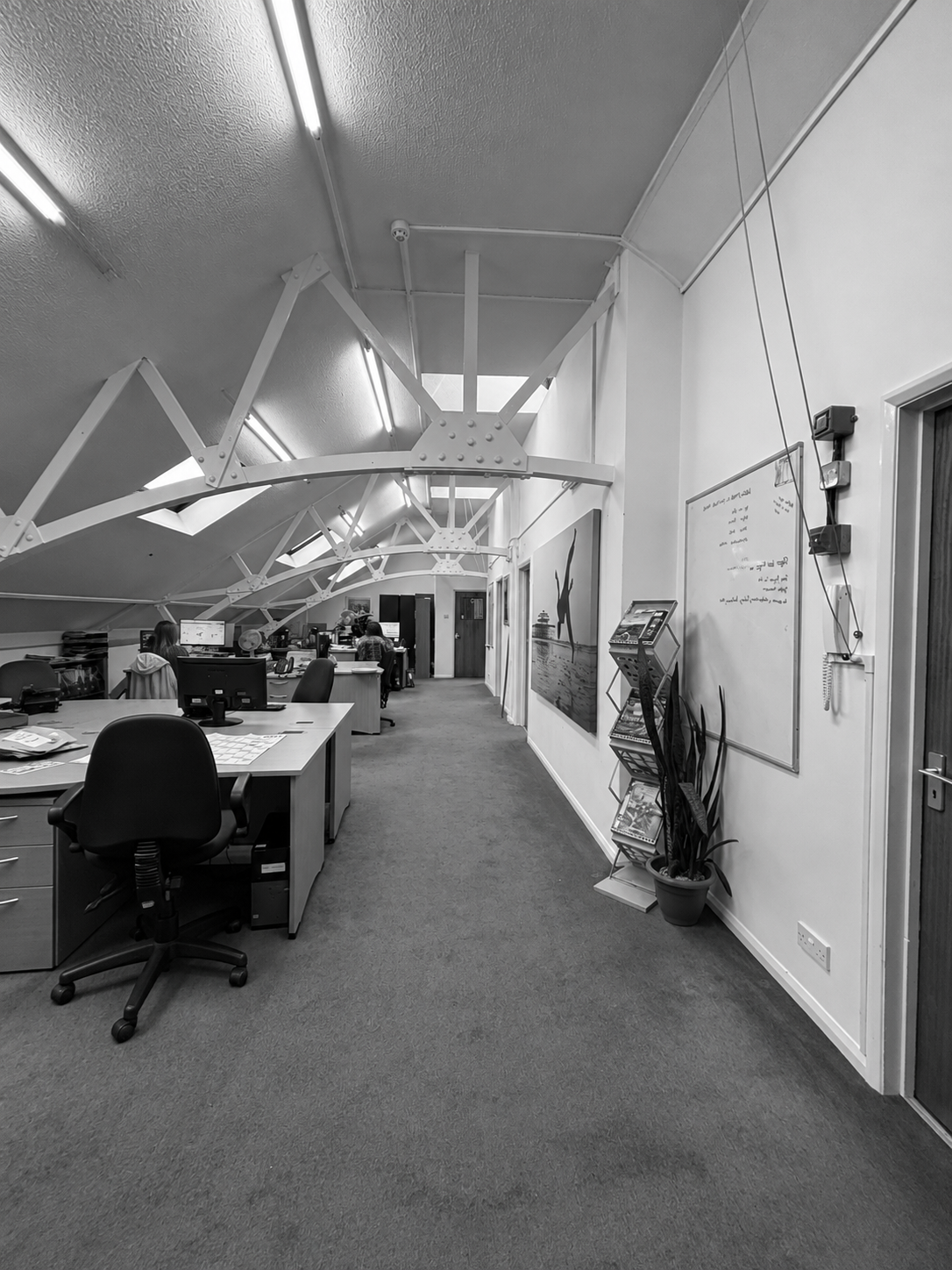
If your building looks dated, feels uninspiring, lacks flexibility or doesn’t reflect what today’s occupiers are looking for, simply putting it back on the market may not be enough.
The question is: is your property working hard enough for you?
The hidden cost of an underperforming property
A vacant commercial property doesn’t just mean lost rent.
There can also be:
Ongoing maintenance and running costs
Business rates and other holding costs
Tenant incentives
Longer void periods
Pressure to reduce the asking rent
Capital tied up in an asset that isn’t performing
Competition from newer, better-presented properties
And sometimes the issue isn’t that there is no demand. It’s that the property isn’t giving potential tenants enough reason to choose it.
What are today's tenants actually looking for?
The commercial property market has changed.
Occupiers increasingly want spaces that are flexible, attractive, sustainable and enjoyable to work in.
They may be looking for:
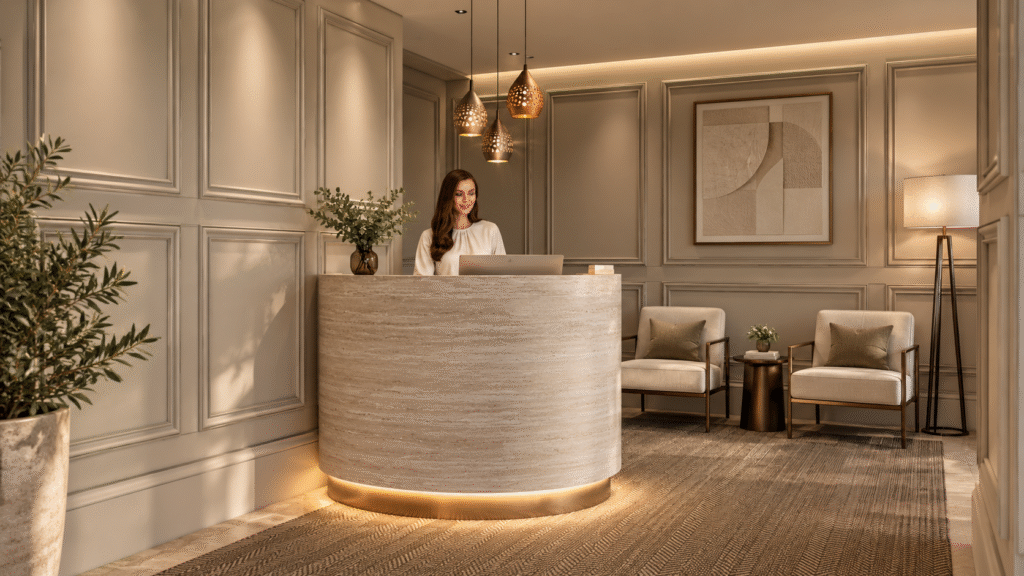
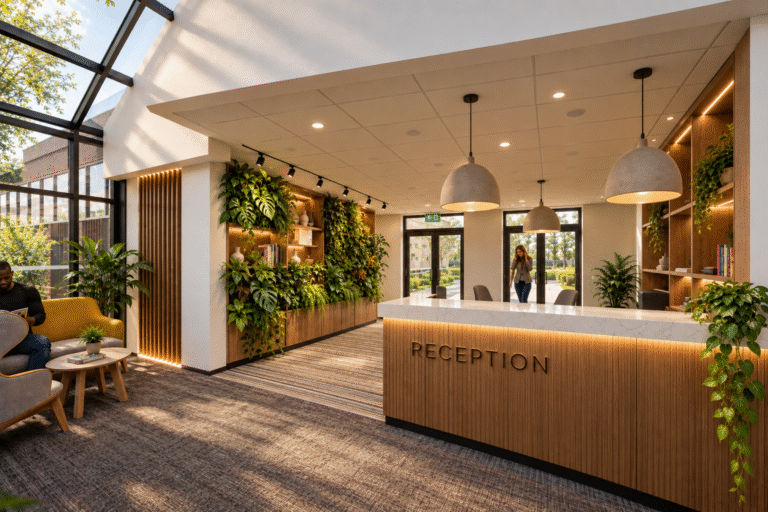
Better first impressions. A tired entrance or reception can influence how an entire building is perceived.
Flexible space. Businesses want accommodation that can adapt as their teams and requirements change.
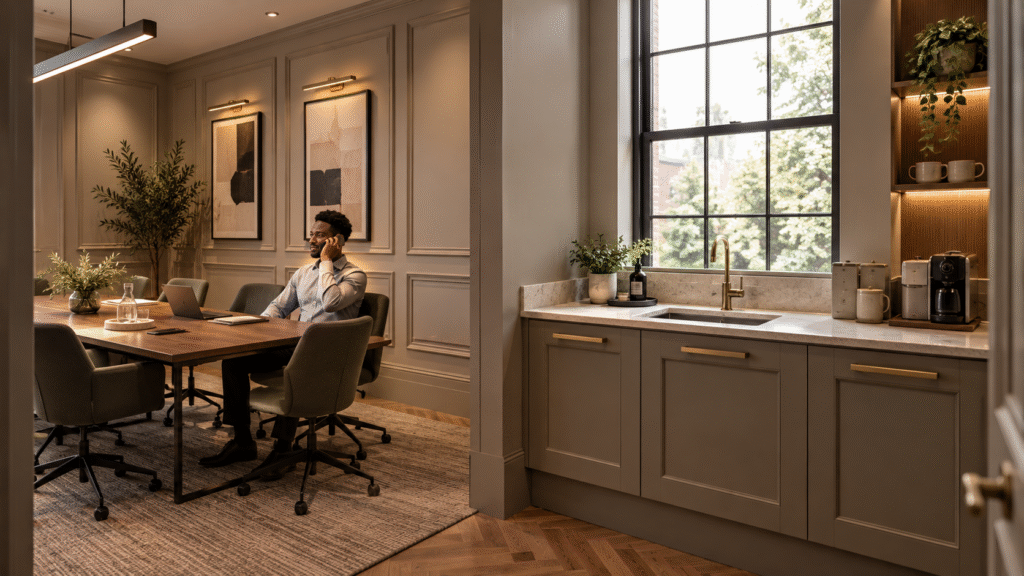
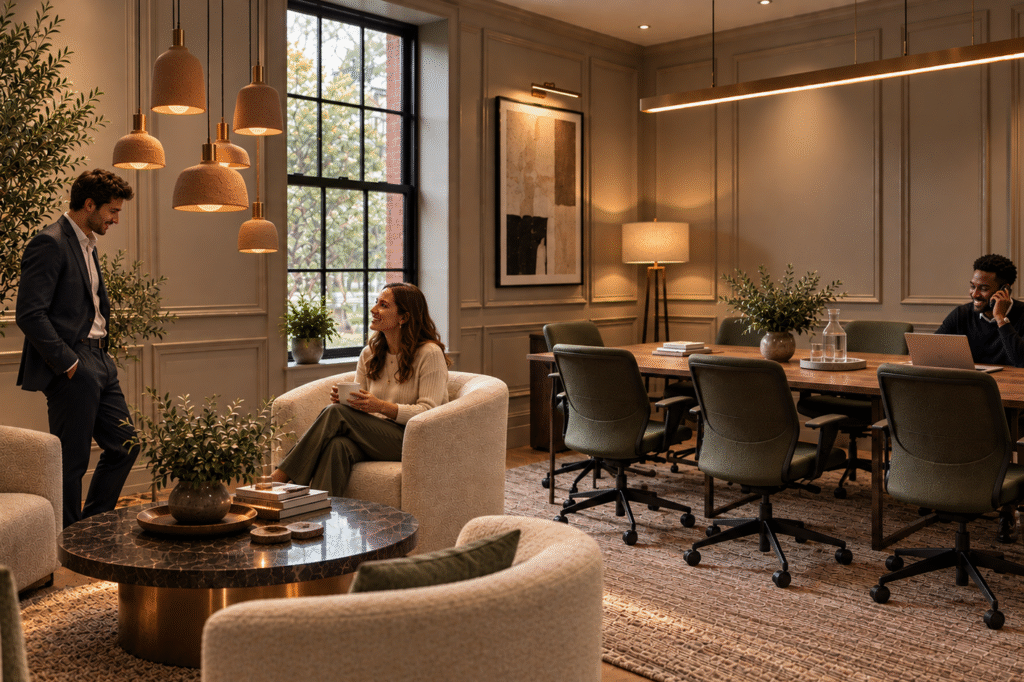
High-quality amenities. Breakout areas, meeting spaces, kitchens, social spaces and wellbeing features can all influence how desirable a workplace feels.
Sustainability. Environmental performance is increasingly part of occupier decision-making.
A better experience. People don’t simply want somewhere to put desks. They want environments that support how they work.
This creates an opportunity for landlords. Don’t just refurbish. Reposition.
One of the biggest mistakes can be approaching refurbishment as simply: “Let’s make it look nicer.”
A successful commercial refurbishment should start with a more important question: “What does this property need to become in order to attract the occupiers I want?”
That’s where architecture and interior design can make a commercial difference. Rather than spending money on improvements without a clear strategy, we can look at the property as a whole:
Who is the ideal tenant?
What does that tenant expect?
What is missing from the existing building?
Where is the property competing poorly?
Which improvements will have the greatest impact?
How can the space become more flexible?
What can be achieved within the available budget?
How can the building be positioned differently from its competitors?
The result isn’t simply a nicer building. It’s a more compelling commercial proposition.
From underperforming asset to desirable space
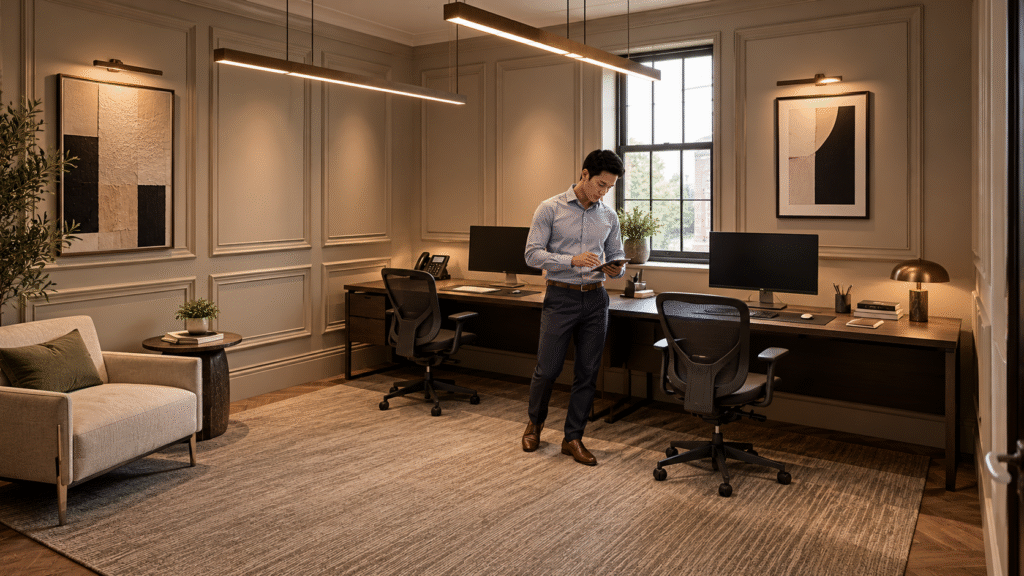
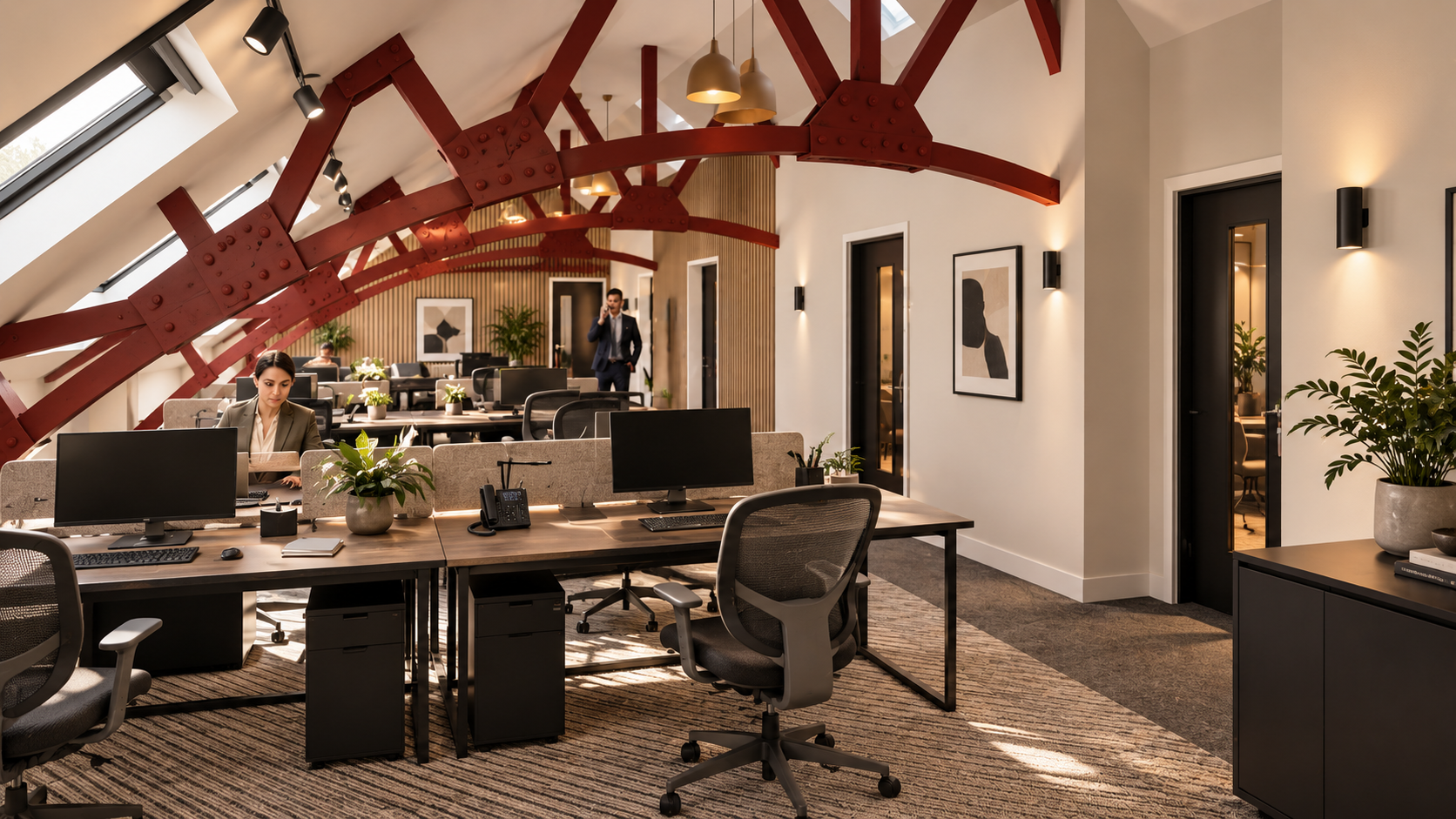
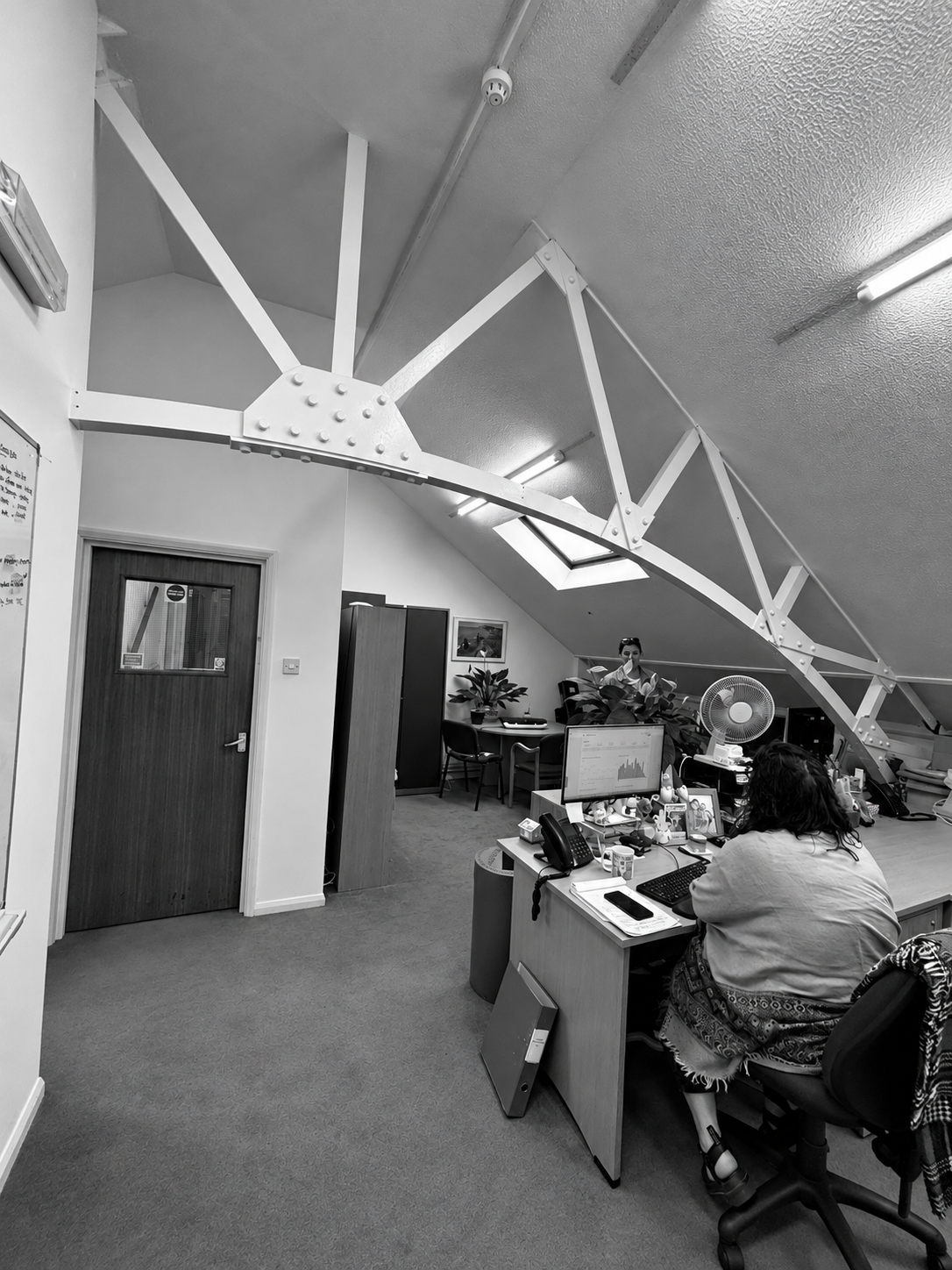
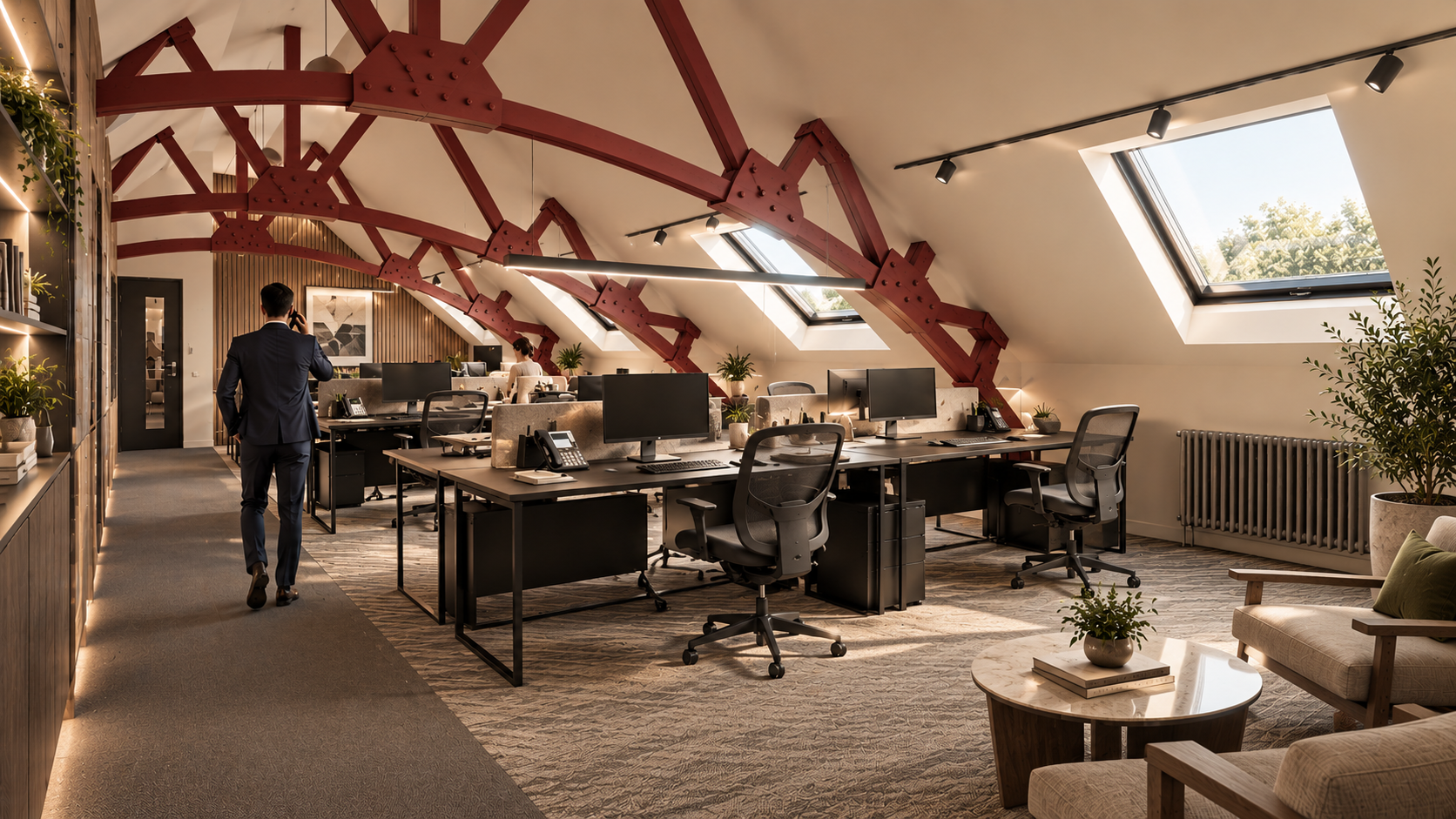
Imagine taking a tired commercial property and transforming it into a space that prospective tenants can immediately see themselves occupying.
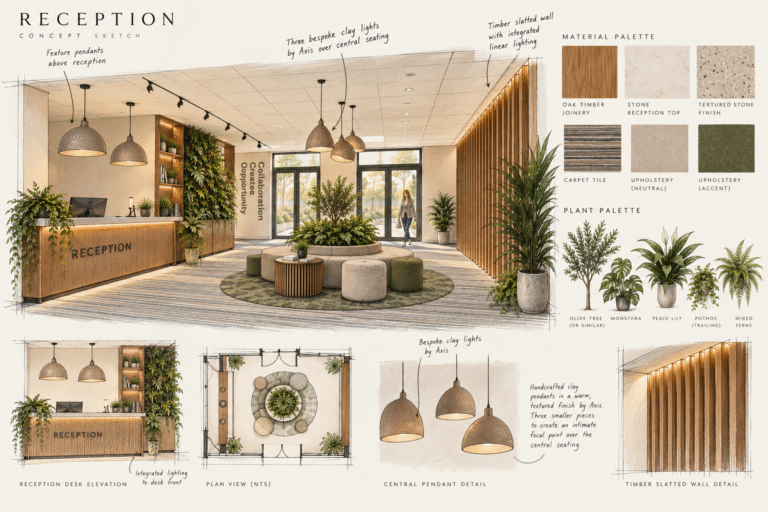
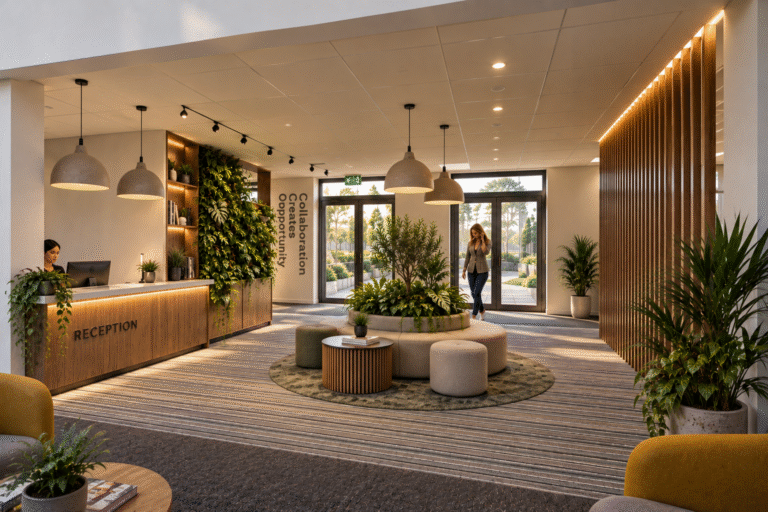
A considered entrance. A modern, welcoming reception. Flexible floorplates. Well-designed communal areas. High-quality finishes. Better amenities. Strong visual identity. Sustainable design. And, importantly, a clear reason for a tenant to choose your property over the alternatives.
That’s the opportunity of property repositioning through design. The goal isn’t beautiful design. It’s better-performing property. As architects and interior designers, our job isn’t simply to create beautiful spaces. It’s to understand the commercial objective behind the project.
For a landlord, that might mean:
Reducing the time a property sits vacant.
Increasing its appeal to a particular type of occupier.
Supporting a stronger rental position.
Improving tenant retention.
Increasing the long-term value of the asset.
Or simply making an existing building competitive again.
Every property is different, which is why the process should start with understanding the asset, the market and the target occupier—not with choosing finishes.
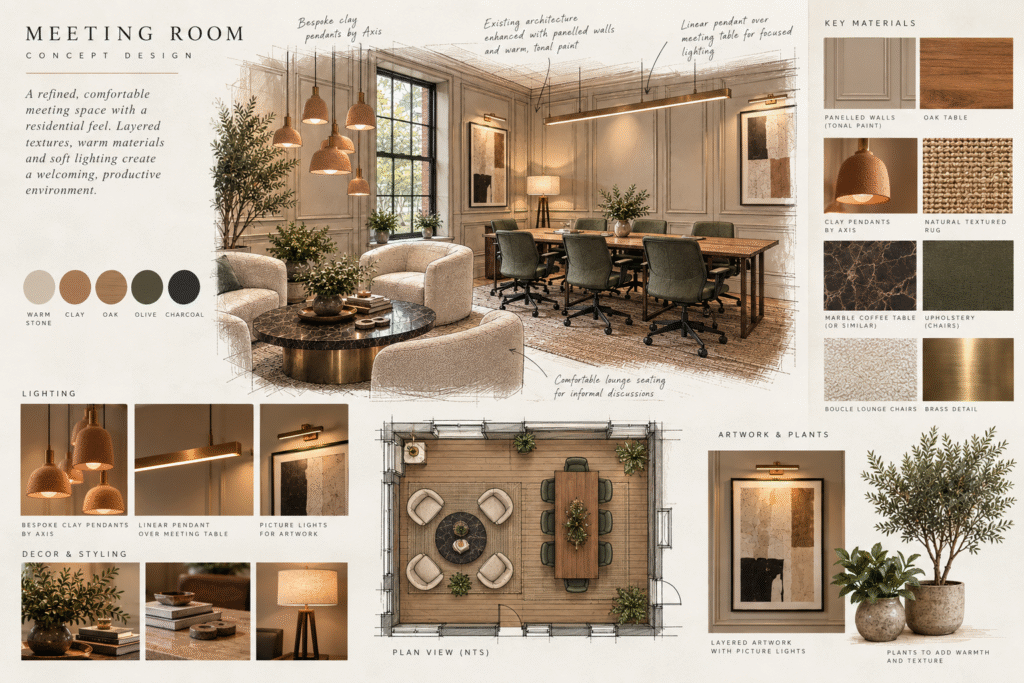
What if you could see the opportunity before spending the money?
One of the most valuable things we can provide is clarity. Before committing to a major refurbishment, we can help explore what the property could become. Through architecture, interior design, visualisation and strategic thinking, we can develop a clear vision for the building and identify the interventions that could make the biggest difference. So you can make better-informed investment decisions before committing to the full transformation. Is your property working hard enough for you? If you have a vacant, dated or underperforming commercial property, don’t automatically assume the answer is to reduce the rent.
Sometimes the better question is: “What could we change about this property to make tenants want it?” Because the right design strategy can do more than make a building look better. It can change how the market perceives the asset. And that can change its commercial performance.
At Axis, we help commercial landlords transform underperforming properties into desirable, high-value spaces.
If you’re considering refurbishing, repositioning or re-letting a commercial property, let’s start by looking at what the building could become—and which changes could make the biggest commercial difference.